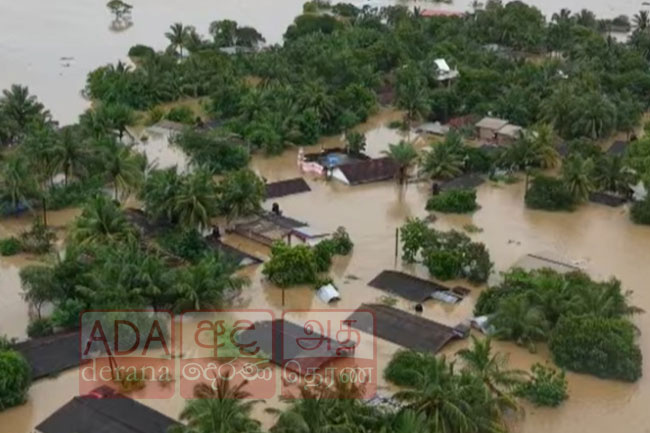
A group of leading economists, including Nobel laureate Joseph Stiglitz, has urged that Sri Lanka should pause its debt repayments as the nation deals with the aftermath of Cyclone Ditwah. The cyclone has resulted in over 600 fatalities and left hundreds of thousands of homes damaged across the country. Sri Lanka's president, Anura Kumara Dissanayake, described this event as the "largest and most challenging natural disaster in our history." Last year, Sri Lanka restructured its national debt, which stands at $9 billion (£6.8 billion), following lengthy discussions with creditors after the government defaulted on its payments in 2022. However, development advocates expressed concerns that the financial burden on Sri Lankan taxpayers remained too heavy. Before the cyclone struck, it was anticipated that annual repayments would account for 25% of government revenues, a figure that is high compared to global and historical standards. In a recent statement, a group of 120 international experts called for a new debt restructuring to help bring Sri Lanka’s repayments to a more manageable level, given the extent of the damage caused by the cyclone. Alongside Stiglitz, signatories include Jayati Ghosh, a respected Indian development economist from the University of Massachusetts Amherst, inequality specialist Thomas Piketty, former Argentinian economy minister Martín Guzmán, and Kate Raworth, author of the influential book Doughnut Economics, which discusses capitalism and the environment. They stated, “Sri Lanka is now facing a serious economic shock caused by the recent cyclone, heavy flooding, and landslides, which have severely harmed infrastructure, livelihoods, and vital sectors of the economy.” They added, “This environmental crisis is likely to consume – and may even surpass – the limited fiscal space created by the current debt restructuring deal. Additional external debt is already being incurred from the International Monetary Fund (IMF), and further loans to address the disaster's effects are likely.” They called for an “immediate halt to Sri Lanka’s external sovereign debt payments and a new restructuring that ensures debt sustainability in light of the new circumstances.”
Popular News