Sri Lanka has weathered many crises in recent decades, but President Anura Kumara Dissanayake has said the cyclone that struck the nation last week stands as “the greatest and most difficult natural disaster we have ever experienced.”
The country of 22 million had already endured immense hardship: the 2004 Indian Ocean tsunami that killed tens of thousands, a long civil war, the 2019 Easter terror attacks, the Covid-19 pandemic, and a devastating economic collapse that caused extreme shortages of fuel and food.
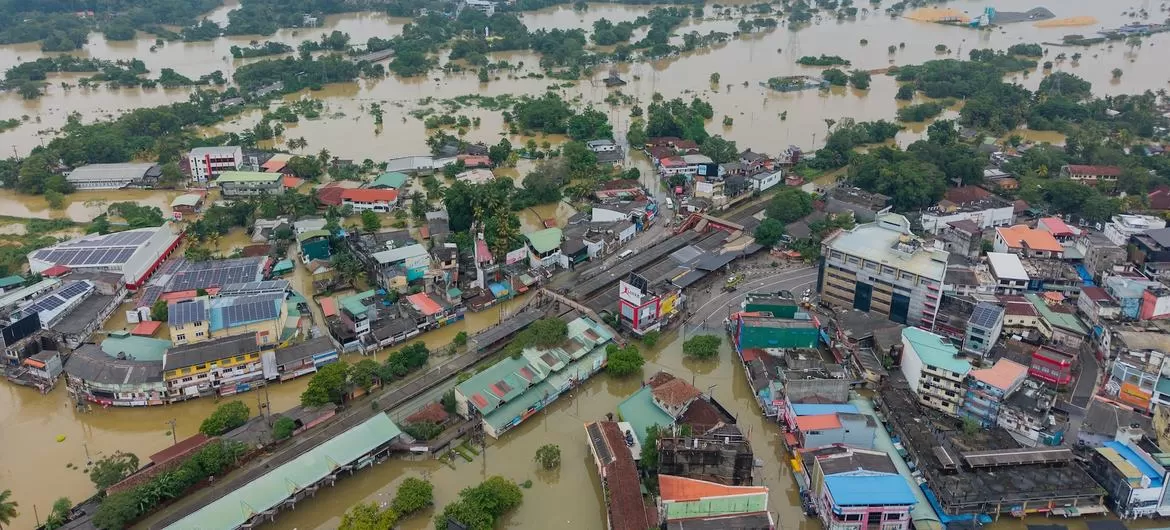
Late last week, Cyclone Ditwah tore into Sri Lanka, unleashing relentless floods and triggering deadly landslides that swallowed entire communities. As of Monday, the death toll had exceeded 350, with hundreds still missing and tens of thousands displaced. More than a million people have been impacted by the disaster, and emergency personnel are stretched thin. Rescue teams — supported by Indian aircraft and regional responders — continued efforts to reach isolated locations that were cut off by the destruction. According to a United Nations report issued Sunday, over 15,000 homes have been lost.
Although the cyclone has now headed toward southern India, forecasters warn that additional heavy rainfall and localized flooding remain likely in parts of Sri Lanka, a country long admired for its natural beauty and historical charm.
Dr. Vinya Ariyaratne, president of the Sarvodaya Shramadana Movement — one of Sri Lanka’s largest community development networks — confirmed that all 25 districts have experienced some level of impact, with severe damage concentrated in at least 22 of them.
Popular News