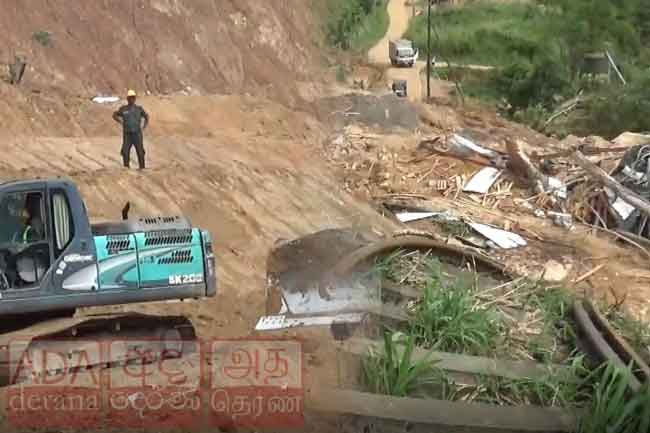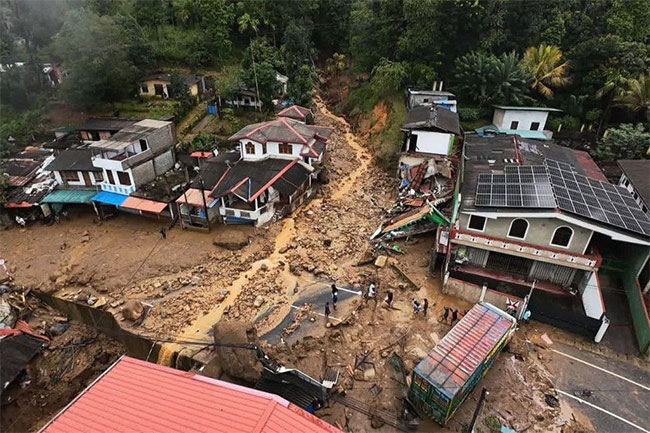
Approximately 374,000 workers in Sri Lanka have been impacted by Cyclone Ditwah, as estimated by the International Labour Organization (ILO). This could lead to a loss of around US$ 48 million in earnings each month if these individuals cannot work or find good jobs. A recent report from the ILO outlined the severe effects of Cyclone Ditwah, which struck Sri Lanka on November 26, bringing heavy rains and causing landslides across many areas of the country. The worst flooding occurred in the Northern and Eastern districts, while the central regions, where many tea plantations are found, experienced significant landslides. The report used data from satellite imagery about flood levels, population, agriculture, and nighttime lights, along with labor force survey data, to create an initial overview of the situation in the affected regions. This approach gives quick insights into how livelihoods might be impacted and is meant to help shape both emergency responses and long-term support for workers trying to get back into the job market, according to the ILO. The organization noted that the agriculture and fisheries sectors suffered greatly. Up to 23 percent of land used for rice cultivation was impacted by the floods, and initial estimates suggest that the tea industry could see output losses of up to 35 percent. Given these dire circumstances, the ILO report urges immediate actions to support people in rebuilding their livelihoods. It recommends providing emergency cash aid and launching employment-focused recovery activities that ensure good working conditions. These measures should be implemented quickly and include support for specific sectors and assistance to micro, small, and medium enterprises (MSMEs) to help restore their operations. Such initiatives must focus on the most vulnerable groups, be sensitive to conflicts, involve workers’ and employers’ organizations, and connect directly with local community members. For medium-term recovery, the ILO emphasizes the need to apply lessons learned from this disaster to enhance wage protection, social support, employment policies, and disaster risk management systems in the future.
Popular News