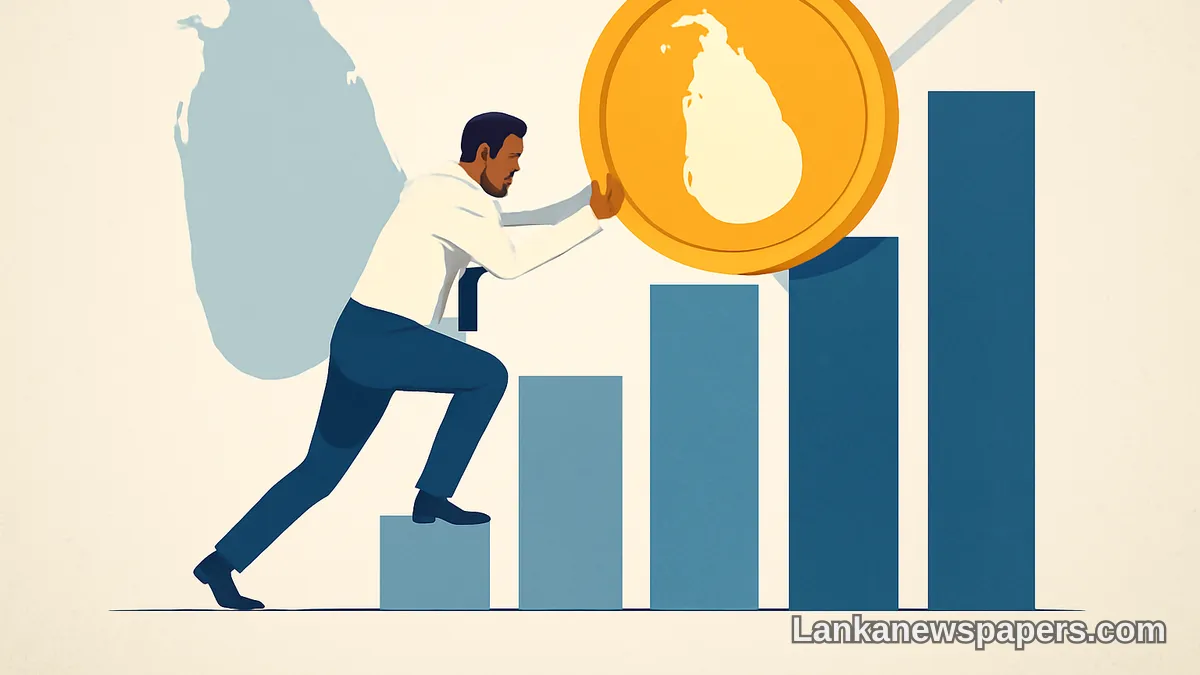
Sri Lanka's Long Relationship with the IMF Comes to a Crossroads
When Sri Lanka's current Extended Fund Facility with the International Monetary Fund concludes in March 2027, it will mark the end of the country's seventeenth arrangement with the Fund since 1965. That figure is far more than a historical footnote — it is a sobering reflection of a decades-long cycle of economic crisis, external dependency, and deferred structural reform that has repeatedly brought the island nation back to Washington's doorstep.
Breaking the Cycle of Dependency
For generations, successive Sri Lankan governments have relied on IMF programmes as a form of emergency economic management rather than as a genuine springboard for sustainable, self-directed development. The pattern has been consistent: a balance of payments crisis triggers an IMF arrangement, short-term stabilisation follows, and then the underlying structural weaknesses that caused the crisis in the first place are left largely unaddressed — until the next crisis arrives.
With the 2027 deadline now within sight, economists and policy analysts are urging Sri Lanka to treat this moment differently. The question is no longer simply how to exit the current programme in good standing, but how the country intends to finance its own development once the IMF's oversight framework falls away.
Rethinking the Development Finance Model
Sri Lanka faces a fundamental challenge in rebuilding its public finances and stimulating long-term growth without falling back on expensive external borrowing arrangements that have historically contributed to debt distress. The country's catastrophic 2022 economic collapse — characterised by foreign reserve depletion, soaring inflation, and widespread shortages of fuel and medicine — laid bare the dangers of an over-reliance on external financing and a narrow export base.
Analysts argue that any credible post-IMF financing strategy must address several interlocking issues, including:
- Expanding and diversifying Sri Lanka's export revenue streams beyond tourism and garments
- Strengthening domestic revenue mobilisation through more equitable and efficient taxation
- Attracting productive foreign direct investment rather than debt-creating financial inflows
- Developing local capital markets capable of channelling domestic savings into national development priorities
- Ensuring that public investment is directed toward sectors with strong employment and productivity multipliers
The Political Will Question
Perhaps the most critical variable in Sri Lanka's post-IMF trajectory is political will. Structural economic reforms — particularly those touching on state-owned enterprise efficiency, land use, labour markets, and tax policy — invariably generate political resistance. Previous governments have frequently reversed or watered down reforms once immediate IMF pressure subsided, contributing directly to the country's repeated return to Fund-supported programmes.
President Anura Kumara Dissanayake's administration now carries the responsibility of demonstrating that this cycle can be broken. The government has signalled ambitions for a more domestically driven development model, but translating that vision into concrete financing architecture and institutional reform will require sustained commitment well beyond the current programme's lifespan.
A Defining Moment for Sri Lanka's Economic Sovereignty
March 2027 should not be viewed merely as an expiry date on a financial arrangement. It represents an opportunity — and an obligation — for Sri Lanka to assert genuine economic sovereignty for the first time in decades. That means building the institutions, revenue base, and strategic investment frameworks that allow the country to grow on its own terms, without the perpetual need for external financial rescue.
Whether Sri Lanka seizes that opportunity or drifts toward an eighteenth IMF programme will depend on the choices made in the years immediately ahead. The clock is already ticking.


💬 Join the Discussion 2
See what readers are saying — and add your view.
17 times with IMF and still no plan. what are we even doing
exactly men, same cycle every time, nothing changes